

with retrofitting
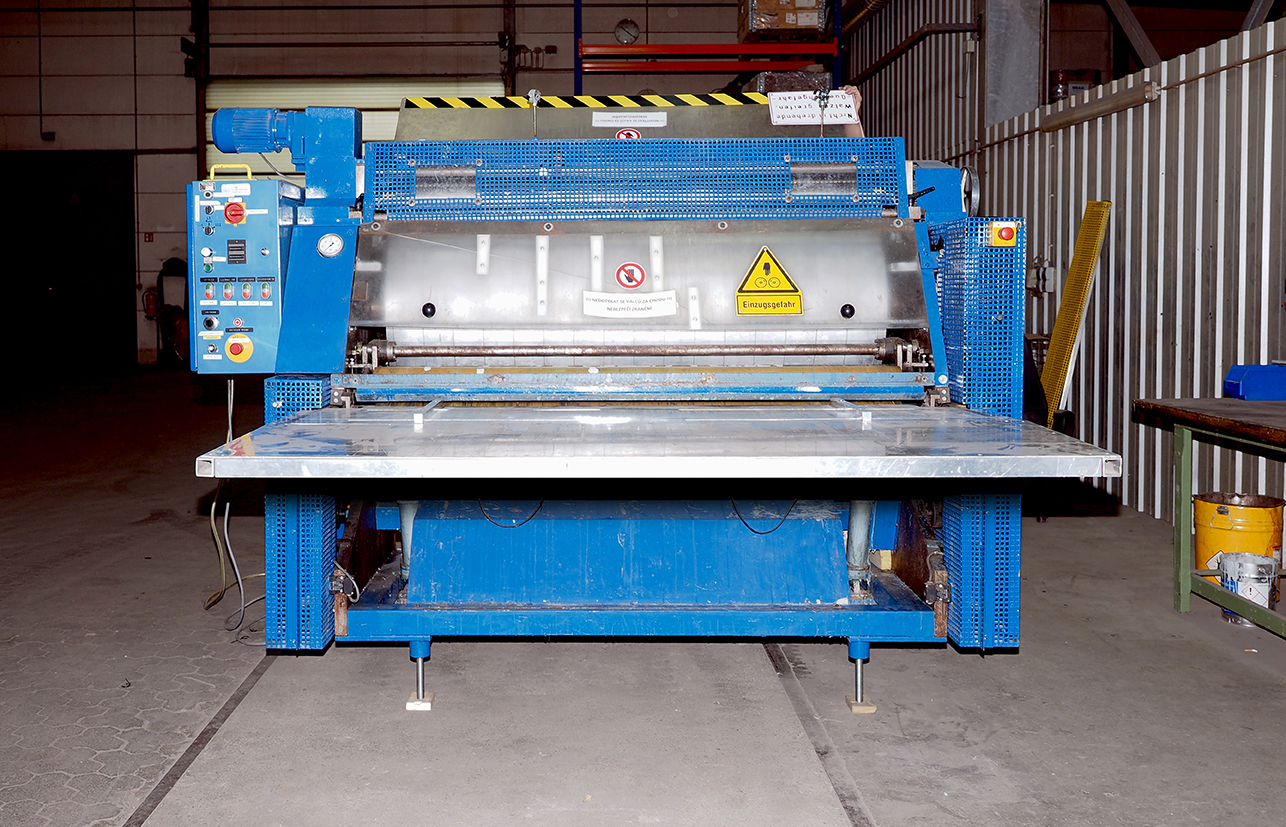
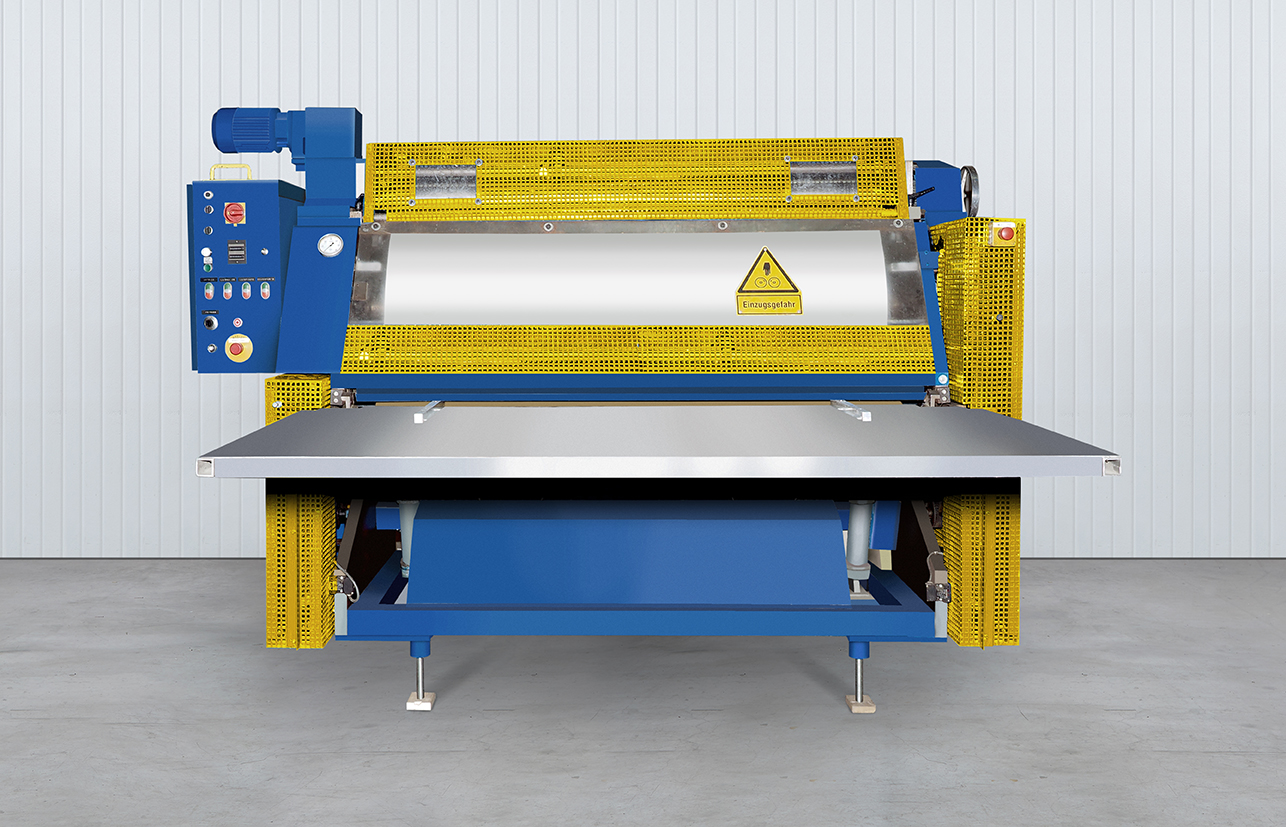
Retrofitting machinery and equipment involves the technical overhaul of all critical components, including mechanical, control, and aesthetic aspects. Depending on the requirements, defective components must be replaced, repaired, and/or redesigned if they are no longer available on the market. Control systems and machine safety are always particularly demanding areas. If a detailed assessment shows that a renewal process is necessary in these areas, new CE conformity for the machine/system is mandatory.
Even classic maintenance of machinery and equipment is ultimately a form of retrofitting to maintain performance and meet the requirements of the systems:
- Inventory assessment and ensuring functionality
- Restoration and overhaul of all essential functions, considering mechanics, electronics, and control technology
- Safety-related revision including CE certification

Retrofitting facts
Minimization of
Visual renewal
Warranty on
Our
example projects
Sealing bars
Press for wall elements
Profile gluer
Frequently asked questions about retrofitting machinery and equipment
What does retrofitting mean in mechanical and plant engineering?
Retrofitting refers to the technical modernization of existing machinery and equipment. Mechanical, electrical, and control components are revised, replaced, or modernized to maintain or improve the performance, safety, and availability of the system in the long term.
When is retrofitting worthwhile?
Retrofitting is particularly worthwhile when:
- Machinery is technically obsolete
- Spare parts become difficult to obtain
- Control systems no longer meet the state of the art
- Downtime increases
- Safety requirements need to be adapted
- a new purchase is not economically viable
Through modernization, existing systems can often continue to be used for many years.
Which components can be modernized during a retrofit?
As part of a retrofit, the following areas, among others, can be revised:
- Mechanics
- Drive technology
- Control technology
- Electronics
- Safety components
- Protective devices
- Visualization systems
- Remote maintenance solutions
The measures are individually adapted to the condition and requirements of the system.
What are the benefits of machine retrofitting?
Retrofitting offers numerous advantages:
- lower investment costs compared to a new system
- higher system availability
- reduced downtime
- modernization of existing technology
- extended machine service life
- higher operational safety
- adaptation to current production requirements
This allows existing production facilities to continue operating economically and sustainably.
Can old control systems be modernized?
Yes. The modernization of control and automation technology is a central component of many retrofitting projects. Obsolete control systems can be replaced by modern systems to improve usability, process reliability, and spare parts availability.
Is new CE conformity required after a retrofit?
If safety-relevant changes or extensive technical adjustments are made to the machine, new CE conformity may be required. This must be assessed individually as part of the project.
Can spare parts be redesigned?
Yes. If certain components are no longer available, parts can be redesigned or technically revised. This allows even older machines to continue operating economically.
Which machines are suitable for retrofitting?
Can existing systems be modernized during ongoing operation?
Why is retrofitting often more economical than a new system?
Let’s talk about your project.
Call us or write to us.
We look forward to hearing from you!
Phone
Phone: +49 6648 91654 0