


What are the key features of a belt conveyor?
A belt conveyor is a means of transport that moves materials from one place to another using an endless belt. Its key features are robustness, versatility, and efficiency. Typically, it consists of a conveyor belt, drive system, frame, and idler rollers.
Feature
Description
Robustness
Construction from high-strength materials
Versatility
Transport of various materials
Efficiency
Fast and continuous material transport
Conveyor belt
Carries the materials to be transported
Drive system
Ensures the movement of the conveyor belt
Frame
Stable structure to support the conveyor belt
Idler rollers
Support the conveyor belt during transport
When does it make sense to use a belt conveyor?
A belt conveyor is useful when continuous material transport over short or long distances is required. It is used especially in industries such as mining, logistics, food processing, and manufacturing.
Areas of Application
Description
Mining
Transport of ore, coal, and other raw materials
Logistics
Movement of parcels, bulk goods, or pallets in warehouses and shipping centers
Food processing
Conveying food such as grain, fruit, vegetables, and processed products
Manufacturing
Transfer of parts during the manufacturing process, e.g., in the automotive industry
Why is maintenance of belt conveyors important?
Regular maintenance of belt conveyors is crucial to ensure smooth operation and minimize unplanned downtime. It increases the system’s service life, improves workplace safety, and reduces operating costs in the long term.
Reasons for maintenance
Description
Operational safety
Preventive maintenance reduces the risk of accidents and protects employees and plant operators
Longer service life
Regular inspections and repairs extend the system’s service life
Minimizing downtime
Preventive maintenance reduces unplanned downtime, increasing productivity
Cost efficiency
Investing in maintenance is more cost-effective in the long term than repairs after failures
What types of materials can be transported with belt conveyors?
Belt conveyors are versatile and can transport a wide range of materials, including bulk materials such as ore, coal, grain, sand, and gravel, as well as packaged goods such as cartons, crates, and containers. They are also used in the food industry for products such as fruit, vegetables, meat, and ready meals.
Transported materials
Description
Bulk materials
Raw materials such as ore, coal, sand, gravel, and grain are conveyed efficiently and continuously
Packaged goods
Cartons, crates, containers, and other packaged goods can be transported safely and quickly
Food
Fruit, vegetables, meat, and ready meals are transported hygienically and gently
Industrial products
Parts, components, and finished products in the manufacturing industry are conveyed reliably and accurately
Where are belt conveyors typically used?
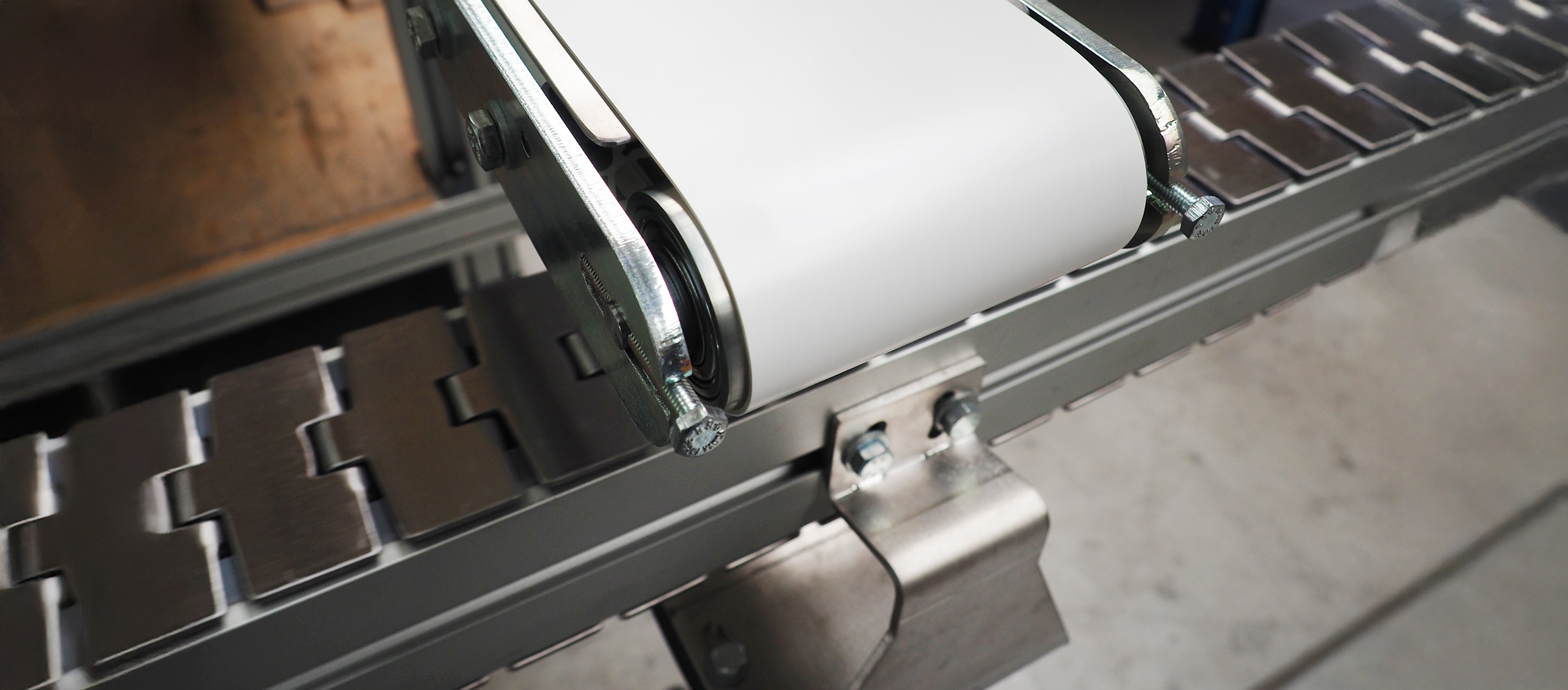
Belt conveyors are used in various industries and applications, including mining, logistics centers, manufacturing plants, food processing facilities, and agricultural operations. They are also used in airports, port and warehouse facilities, and in the construction industry.
Areas of application
Description
Mining
Conveying ore, coal, and other raw materials in open-pit and underground mines
Logistics centers
Movement of goods and parcels in warehouses, distribution centers, and shipping warehouses
Manufacturing plants
Transport of parts and components during the production process
Food processing facilities
Conveying food such as grain, fruit, vegetables, and processed products
Agricultural operations
Material transport on farms for processing, storage, and shipping
Airports
Movement of baggage and cargo between terminals, aircraft, and storage areas
How does the loading system of a belt conveyor work?
The loading system of a belt conveyor typically consists of a feed point where the material reaches the conveyor belt, and a conveyor trough or chute that distributes the material evenly on the belt. Some systems also use conveyor belts with special profiles or sidewalls to prevent the material from slipping sideways.
Component
Function
Feed point
Location where the material reaches the conveyor belt
Conveyor trough / chute
Distributes the material evenly on the conveyor belt to ensure uniform loading
Profiled belts
Prevent the material from slipping sideways during transport
What are the advantages of using belt conveyors?
Using belt conveyors offers numerous advantages, including high efficiency, reliability, versatility, and safety. They enable continuous material transport over long distances and different height differences, reduce the need for manual labor, and promote uniform material distribution.
Advantage
Description
High efficiency
Continuous material transport over long distances with minimal energy consumption
Reliability
Low downtime and high operational reliability thanks to robust design and regular maintenance
Versatility
Transport of a wide variety of materials and adaptability to different operating conditions
Safety
Minimizing accident risks through automated and controlled material transport
What safety measures must be observed when operating belt conveyors?
When operating belt conveyors, various safety measures should be observed, including installing emergency stop switches at accessible points along the conveyor route, regularly inspecting and maintaining all components, training operating personnel in safe operating procedures, and using protective equipment such as safety harnesses and helmets.
Safety measure
Description
Emergency stop switch
Immediate stopping of the conveyor belt in emergencies by manual activation at various locations
Regular inspection
Checking drive systems, conveyor belts, idler rollers, and safety devices for defects
Training of operating personnel
Instruction in safe operating procedures, rules of conduct, and emergency measures when handling belt conveyors
Protective equipment
Wearing safety harnesses, helmets, and other personal protective equipment when working near conveyor systems
What technical innovations are there in the field of belt conveyors?
There are ongoing technical innovations in the field of belt conveyors, including the development of more powerful drive systems with high energy efficiency, the integration of IoT sensors to monitor operating parameters in real time, the use of materials with improved wear resistance for longer service life, and the implementation of automation and robotics solutions for more efficient material movement.
How do belt conveyors affect the environment?
Belt conveyors reduce the need for trucks and the associated air pollution. Modern systems are energy-efficient and can minimize energy consumption compared to other means of transport.
What size are belt conveyors typically?
Belt conveyors vary in size depending on the application. They can range from a few meters to several kilometers in length and are typically between 0.3 and 2.5 meters wide, depending on the materials being transported.
How are belt conveyors installed?
Installing belt conveyors requires careful planning and installation. The components are assembled in sections and then put together. Typically, installation is carried out by experienced specialists in compliance with safety standards.
What maintenance intervals do belt conveyors have?
The maintenance intervals for belt conveyors depend on the operating environment and operating time. As a rule, regular inspections every 3–6 months are recommended, while major maintenance work is carried out annually or as needed.
What safety precautions are there for belt conveyors in potentially explosive environments?
In potentially explosive environments, belt conveyors must take special safety precautions, such as using antistatic belts, explosion-proof motors and housings, and implementing monitoring systems for potential sources of danger.
What role do belt conveyors play in automation?
Belt conveyors are essential components in automated manufacturing and warehousing processes. They enable efficient and continuous transport of materials between different production stages and storage areas.
How are belt conveyors cleaned?
Belt conveyors are usually cleaned with special cleaning systems that use brushes, water jets, or air to remove residues and contaminants from the belts. Cleaning is carried out during operation or during scheduled downtime.
What costs are associated with operating belt conveyors?
The operating costs of belt conveyors include energy consumption, maintenance costs, wear parts, and, if applicable, personnel and training expenses. The exact costs vary depending on system size, operating environment, and operating conditions.
How can belt conveyors be made more efficient?
Belt conveyors can be made more efficient by optimizing operating parameters such as speed and load distribution, installing energy-efficient drive systems, and performing regular maintenance and servicing.
What trends are shaping the future of belt conveyors?
Future trends in belt conveyors include integrating IoT technology for improved monitoring and control, developing environmentally friendly materials and drive systems, and increasing use of automation and artificial intelligence for optimized operations management.